
Commercial Locks for Orlando Apartments, Offices and Shops
Apartment managers, small offices and shops need doors that lock every time and keys they can account for. We fix door hardware that has stopped doing its job, rekey units between tenants and help you work out who should carry which key.
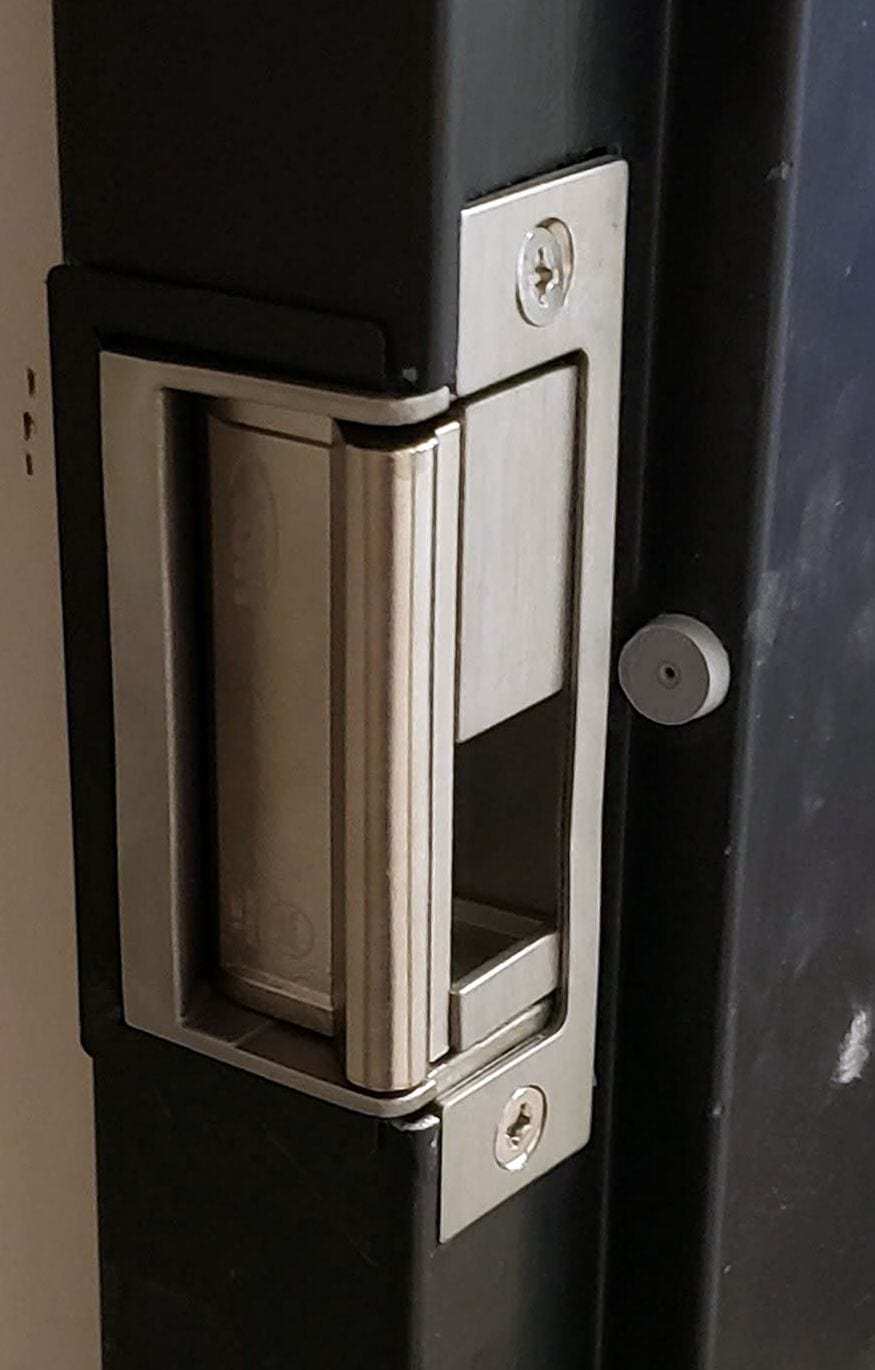
Busy Doors and Many Keys
A business door gets far more use than a front door at home, and its keys pass through more hands. Over time the hardware loosens, and the list of people who can get in grows longer than anyone meant.
| Property type | Typical lock needs | Related service |
|---|---|---|
| Apartment communities | Unit locks rekeyed at every turnover, a master key for the manager and a record of every key out | Rekeying |
| Office suites | Levers and deadbolts on the suite door and inner offices, keyed so each person carries one key | Lock Installation |
| Retail storefronts | Glass doors that close square and lock, a solid back door and new keys when staff leaves | Lock Installation |
| Shared amenity doors | Laundry, pool and fitness room doors that residents open with their own key or a code | Smart Locks |
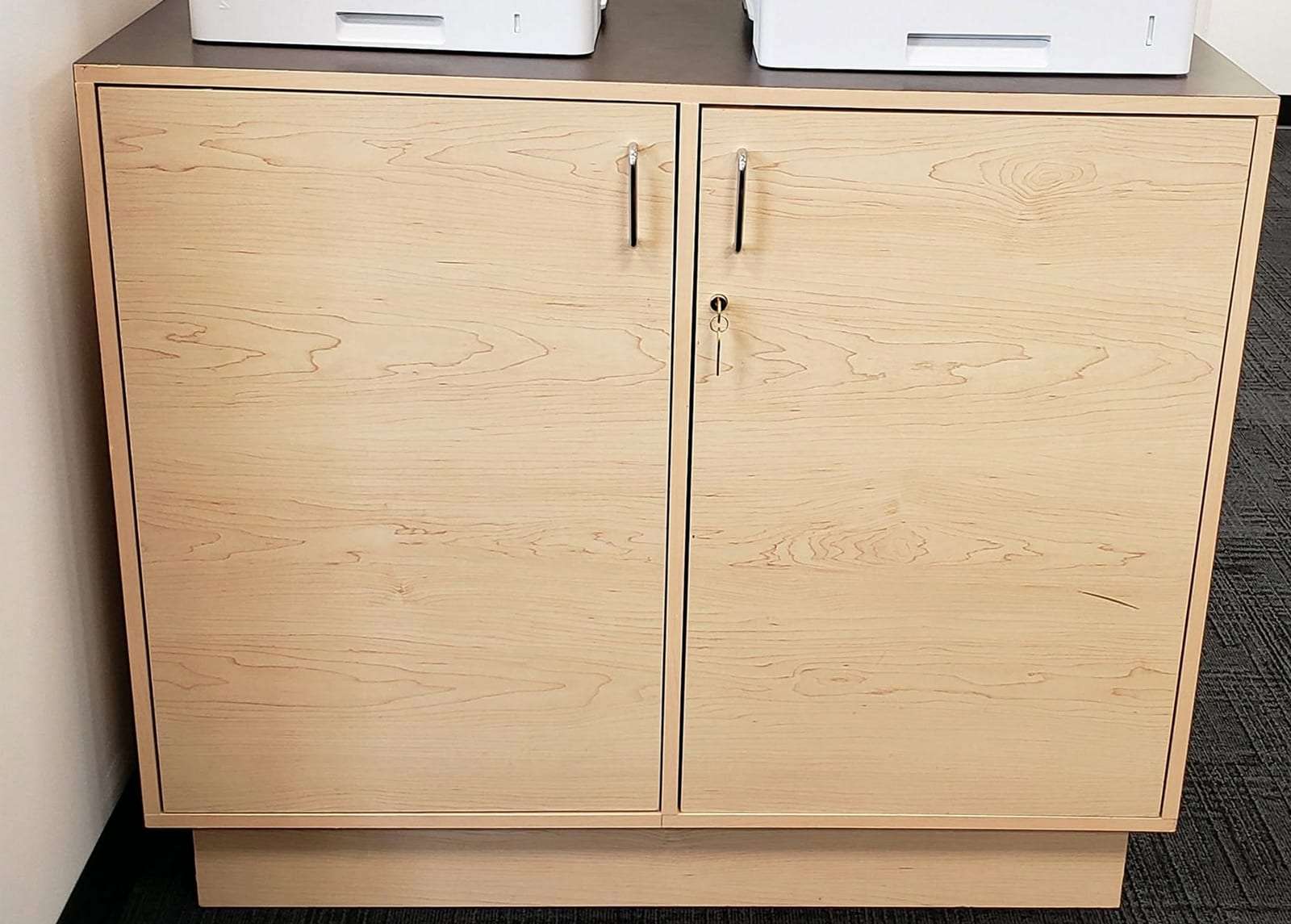
Office suites hold more locks than doors. Past the suite entrance there are inner offices, a supply closet, and file and storage cabinets with small locks of their own. Those cabinet locks are easy to forget until a key goes missing or walks out with someone who no longer works there.
The cleanest fix is usually fewer keys. When the suite door and the inner doors are keyed alike or set up on a master, each person carries what they need and nothing more, and when someone leaves, you know exactly which locks their key opens.
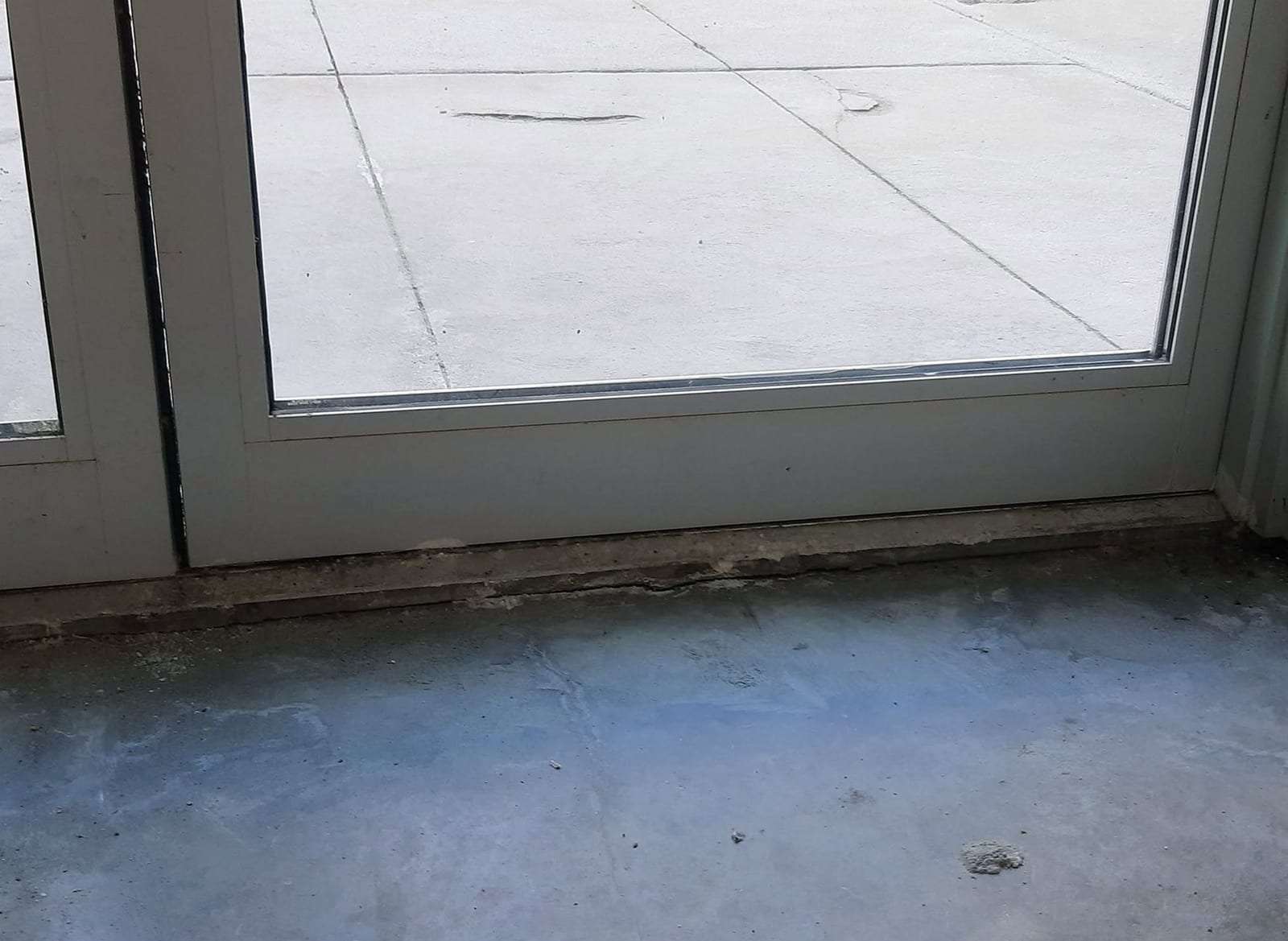
Glass storefront doors take a beating from foot traffic, deliveries and the closer that pulls them shut. The lock sits in a narrow aluminum frame, and its bolt has to find a small pocket in the jamb. When the door sags, drags on a worn threshold or stops closing all the way, the bolt stops lining up, and a door that locked fine last month suddenly won’t.
Getting it right again is part lock work and part door work: the door has to hang and close square before the lock can catch every time. The back door onto an alley or a loading area needs the same care, since it’s the one nobody watches.
Exit doors and fire-rated doors carry code rules of their own. An exit door generally has to open from the inside without a key, and a fire door has to close and latch by itself every time. New hardware on those doors has to keep to those rules, and that’s part of How We Work.
Master Keys and Keyed-Alike Locks
Once a property has more than a few doors, the question is how to cut down on keys without handing everyone a key to everything. There are two plain answers, and they solve different problems.
Keyed Alike
Several locks take the same key. One key opens the front door, the back door and the stockroom of a small shop. It’s simple and it lightens the key ring, but anyone holding that key opens all of those doors, and losing it means rekeying every one of them.
Master Keyed
Each lock keeps its own key, and one master key opens them all. A tenant’s key opens only that tenant’s unit, while the manager’s master opens every unit. Larger systems add levels in between, such as a key for one building or one floor, and a common setup lets every tenant’s key open the shared laundry or pool door too.
A master system earns its keep when many people need different doors, but it asks for records in return: which key opens what, who holds each one, and how every cylinder was pinned, so the next rekey fits the system instead of breaking it.
- Can the locks we already have be master keyed?
Often, yes, as long as the cylinders take the same key blank. Each cylinder is re-pinned so it turns for its own key and for the master, and the hardware stays on the doors. A mix of lock brands, or cylinders worn loose, may need replacing first so the whole property runs on one keyway.
- What happens if a master key goes missing?
Every lock it opens has to be rekeyed, and on a large system that can be most of the property. That’s the main reason to keep the master with as few people as possible, and off any key ring that leaves the building.
- Should every door be on the master?
Not always. An owner’s office, a records room or a utility closet can stay off the system or take a key of its own, so the everyday master doesn’t open it. Decide that while the system is being planned.
When a Tenant Moves Out
Turnover is when key control either holds or slips. A short routine, done the same way at every unit, keeps old keys from piling up out there.
Tenant Turnover Lock Checklist
- Collect keys: every key the tenant was given, laundry and pool keys included, counted against your log.
- Rekey units: rekey the unit’s entry lock before the new tenant gets keys, even if every old key came back. Copies are easy to make.
- Test doors: lock and unlock each door with its new key, and let self-closing doors swing shut to see that they latch.
- Record keys issued: note each key number, the unit, the tenant’s name and the date, and have the tenant sign for them.
- How do we keep track of keys across many units?
Keep a key log. Give each key a number, then record which door it opens, who holds it and the dates it went out and came back. Count against the log at every turnover, and when the log and the keys stop matching, rekey and start the count over.
Let’s get your doors locking right and your keys accounted for.