
Seasonal Care for Your Locks and Doors
Central Florida weather is hard on door hardware. Spring pollen grits up keyways, summer humidity swells wood doors and rusts steel, and hurricane season tests every latch on the house. A few small habits through the year keep keys turning and bolts sliding.
What the Weather Does to a Lock
Each part of the year leaves its own mark on a lock, and each has a small job that heads the trouble off.
| Season | Typical conditions | What to do | Lock part affected |
|---|---|---|---|
| Spring pollen | A yellow film of pine and oak pollen on porches, cars and keys | Wipe keys and handles, puff the dust out of the keyway, then add a little dry lubricant | Keyway and pins |
| Summer heat and humidity | Muggy air, afternoon storms most days and hot sun on west-facing doors | Watch for a door that sticks or a bolt that rubs, and dry off hardware after a soaking | Bolt, strike plate and the door’s fit in its frame |
| Hurricane season | June 1 to November 30: tropical storms, driving rain and power outages | Test every outside lock, put fresh batteries in keypads and smart locks, and know where each spare key is | Latches, strike plates and electronic locks |
| Cooler dry months | Lower humidity and mild days, from about December to February | Tighten loose screws, lubricate every outside lock and fix anything that stuck over the summer | Screws, hinges and the lock body |
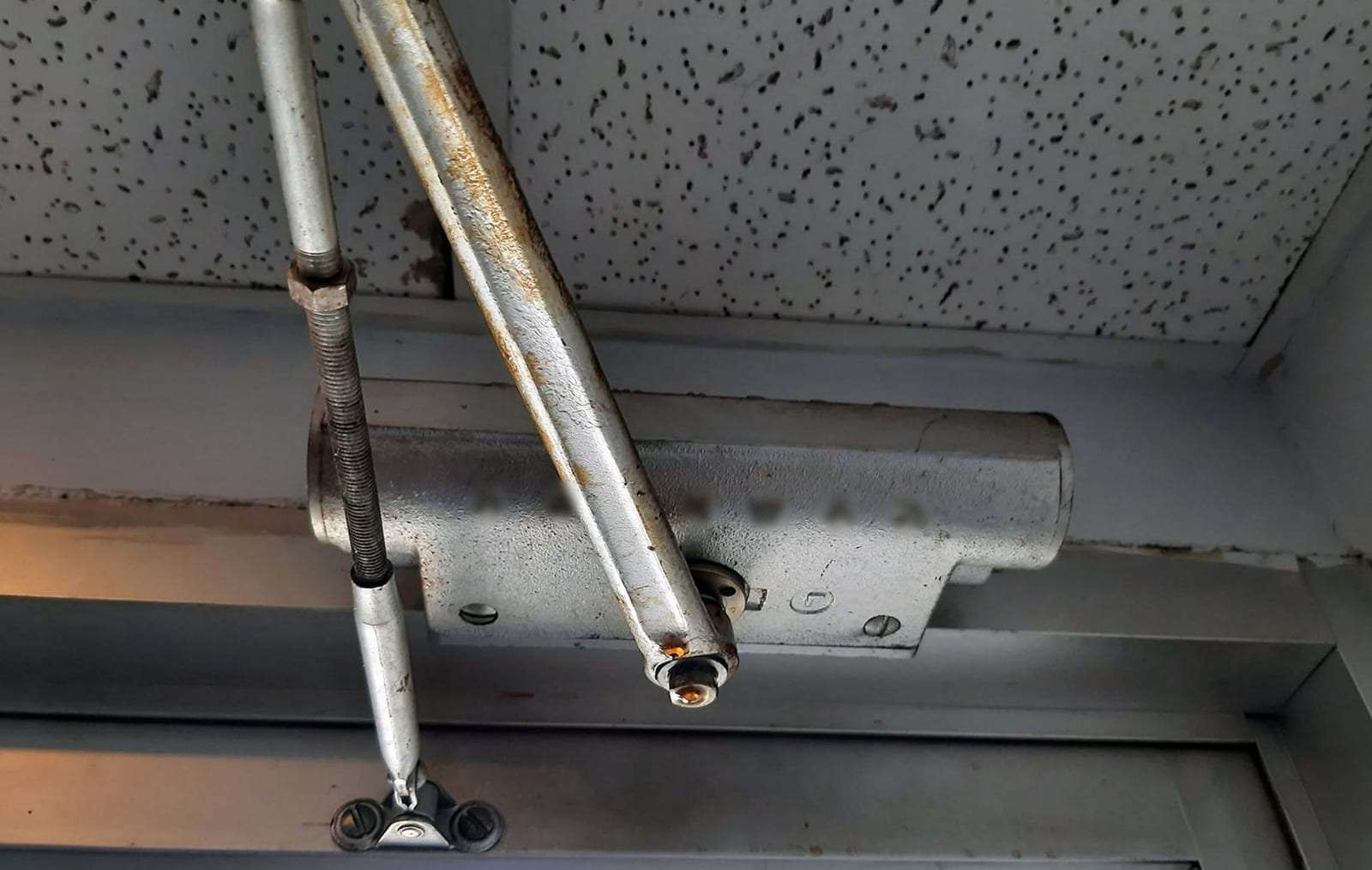
Humidity does its damage slowly. Steel screws, strike plates and closer arms start to rust where the finish wears through, and a rusty part drags long before it fails. Look for orange at the screw heads and around the strike, and wipe exposed hardware dry after a storm.
Wood doors take on water in the muggy months and swell just enough to rub the frame or push the bolt off its strike. Steel and fiberglass doors stay truer, but their hardware still corrodes. If a lock only fights you in July, the door’s fit is the likely cause, not the lock.
Sticky Keys and Swollen Doors
Most weather trouble starts with one of these, and most of it is easy to put right early.
- What should I use to lubricate a lock?
A dry lubricant made for locks, like powdered graphite or a dry PTFE spray. Oil-based sprays feel smooth at first but tend to hold pollen and grit, which gums up the pins over time. A little goes a long way: a short puff in the keyway, then slide the key in and out and turn it a few times.
- How often should my locks be lubricated?
Once or twice a year is plenty for most outside doors. Add a round after a heavy pollen spring or a storm that soaked the door. Inside locks rarely need it unless they start to feel stiff.
- Why does my key stick in the lock?
Usually it’s dirt in the keyway, a worn key, or a bolt that binds because the door has shifted. Try a dry lubricant first. If a copy sticks and the original doesn’t, the copy is the problem. Never force a stuck key: one that snaps off in the cylinder turns a nuisance into a lockout.
- My door swells in summer. Is the lock the problem?
Usually not. A wood door that takes on water in Orlando’s humid months can rub the frame or push the bolt off the strike, and it often eases again once the air dries out in winter. If the bolt only binds in summer, an adjusted strike plate often fixes it. A door that rubs along its whole edge may need a carpenter to plane it.
A Care Calendar for Your Doors
A few minutes a month keeps most lock trouble from starting.
Maintenance Calendar
Pick a month to see a few small jobs for your doors, and tick them off as you finish. Your ticks are saved only in this browser.
Pick a month, then press Show the Month.
Getting Doors Storm-Ready
Before hurricane season starts, give every outside door a once-over.
- Door alignment. Close each outside door with a normal push. It should latch on its own, with no shoulder and no slam. A door that needs help to latch has a harder time staying shut in a strong wind.
- Strike plates. Check that the screws are tight. Long screws that reach the framing behind the jamb hold far better than the short ones many strike plates come with.
- Spare keys. Make sure every outside door has a working key, and keep a set with your storm supplies in case you have to leave in a hurry. If a keypad or smart lock guards a door, its backup key belongs in that set.
- Garage and patio locks. Test the lock on the door between the garage and the house, and make sure each sliding patio door latches fully. A slider that only half-latches is the first door a gust will rattle.
If anything on the list fights you, it’s better sorted in May than in the week a storm is headed this way.
A little care each season goes a long way. When a lock needs more, call us.