
Lockout Help for Orlando Homes and Cars
A lockout feels worst in the first minute. In most cases a locksmith can open a locked door or car without damaging anything, so put down the screwdriver and the coat hanger. Call us, say where you are, and let’s get you back inside.
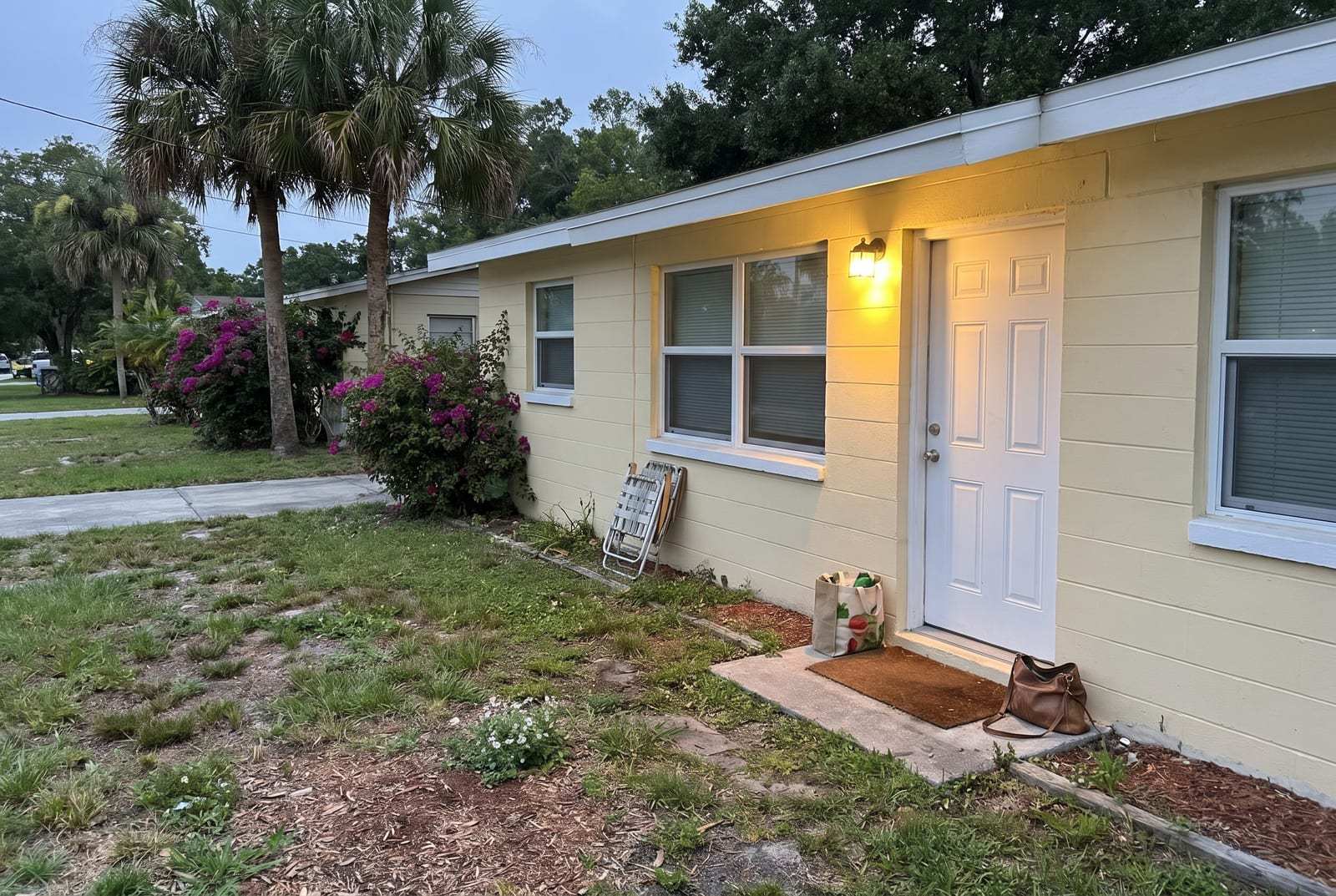
A child or a pet locked inside? Call 911 first, whether it’s a car or a hot house. A closed car in the Florida sun heats up fast. Once everyone is safe, call us about the lock.
Every Lockout Has Its Own Fix
Keys left inside, a key snapped in the lock, a lock that won’t turn and keys that are simply gone each call for a different first move. Some can be sorted out with a spare or another door, and some need a locksmith.
What Kind of Lockout Is This?
Choose what happened and where, and you’ll get calm next steps for that lockout.
Choose your answers, then press Show My Next Steps.
While You Wait
Once you’ve called, the hard part is done. A few small things make the wait safer and the work at the door smoother.
- Move somewhere safe and comfortable: a neighbor’s porch, a lit storefront or a shady spot out of the sun.
- Try only the doors and windows that are yours to open, and leave a neighbor’s door or a shared entrance alone.
- Have the address and the door type ready: front or back, deadbolt or knob lock, keypad or slider. For a car, the year, make and model.
- Keep an ID handy if it’s on you. A locksmith usually asks for proof that the home or car is yours.
Broken Keys and Jammed Locks
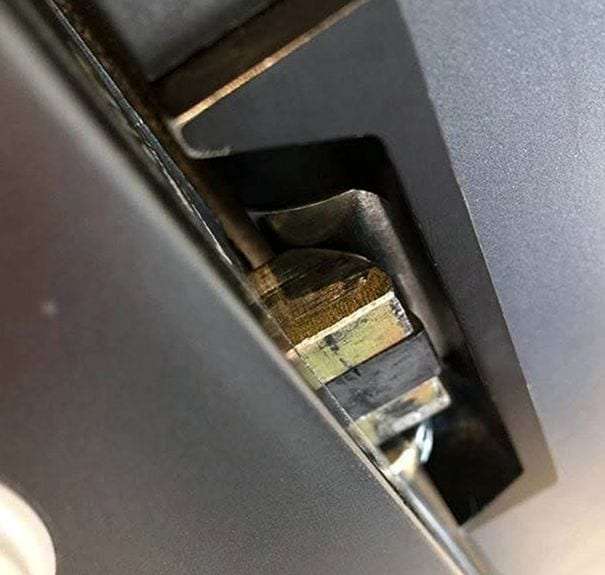
A lock rarely jams out of nowhere. Usually the latch or the bolt has been dragging on its strike for weeks, because the door dropped a little on its hinges or the frame shifted. In Orlando’s summer humidity a wood door can swell just enough to pinch the bolt, and one evening the key won’t turn at all.
Once the door is open, the fix is often small: a strike plate moved to meet the bolt, a loose hinge screw tightened, a worn cylinder cleaned or swapped. Waiting rarely helps, since a bolt that drags today tends to stick for good later.
- Why did my key snap off in the lock?
Usually the key was worn thin, the lock had been getting stiff, or both, and one hard turn was too much. A key that bends, or a lock that needs jiggling, is the warning sign. Once the broken piece is out, have the stiff lock looked at so the new key doesn’t go the same way.
- My key turns, but the bolt doesn’t move. What’s wrong?
Something inside the lock has broken or come loose, so the cylinder spins without pulling the bolt back. Forcing it won’t help. A lock like that has to be opened and then repaired or replaced, which makes it a phone call, not a job for a screwdriver.
After Keys Go Missing
Getting back inside solves today’s problem. If the keys are gone for good, whoever finds them may also find your address on a tag, a fob or a letter in the same bag. A rekey once you’re in makes those missing keys useless, and you keep the locks you have.
Car keys are a little different. Most newer cars use a transponder key, with a chip the car has to recognize before it will start, so a replacement gets cut and then set up to that car. We set up transponder keys, so have the year, make and model ready when you call.
- My keys were stolen. Is a rekey enough?
For the house, usually yes, as long as the locks are in good shape. If a door was forced or a lock was damaged, replace that one. Think about the other keys that were on the ring, too, such as a shed or a side gate.
Once the locks are sorted, leave a spare with a neighbor you trust. It turns the next lockout into a short walk down the street.
Locked out right now? Call us, and wait somewhere safe until we get there.