
Locks for Orlando Houses, Condos and Apartments
Whether you own the house or rent the apartment, the questions come down to the same few: who has a key, does every door lock the way it should, and what happens if you’re locked out. We rekey, replace and install locks for homeowners and renters in Thornton Park, Lake Eola Heights, Colonialtown and Winter Park.
Moves, Lost Keys and Break-Ins
Lock work at home usually starts with a change: a move, a missing key ring or a door someone forced. Each one points to a different fix, and the right one depends on what happened and what shape the lock is in.
| Situation | What usually helps | Related page |
|---|---|---|
| Just moved in | Rekey every outside lock so only your keys open them, and replace any lock that sticks or wobbles | Rekeying |
| Lost keys | Get back inside first, then rekey the locks those keys open | Emergency Lockout |
| Break-in repair | Replace the forced lock, and look hard at the strike plate, the frame and the edge of the door | Lock Installation |
| Rental turnover | Collect the old keys, rekey before the next tenant moves in and note who holds each new key | Commercial Locks |
| Adding keyless entry | A keypad or app-controlled deadbolt in place of the one you have now | Smart Locks |
After a break-in, look past the lock. When a door gets kicked, the frame usually splits where the strike plate sits, and a deadbolt can only hold as well as the wood around it. A heavier strike plate, fastened with long screws that reach the wall framing, makes a real difference.
A Walk Around Your Doors
Once a year, or the week you move in, go door to door with your keys in hand. You’re not hunting for anything fancy, just the small signs that a lock or a door has started to slip.
Home Lock Check
- Entry doors: each one latches when you pull it shut, and the knob or lever feels solid, not loose.
- Deadbolt: the key turns without a fight and the bolt goes all the way out. A bolt that stops short or scrapes usually means the door has shifted.
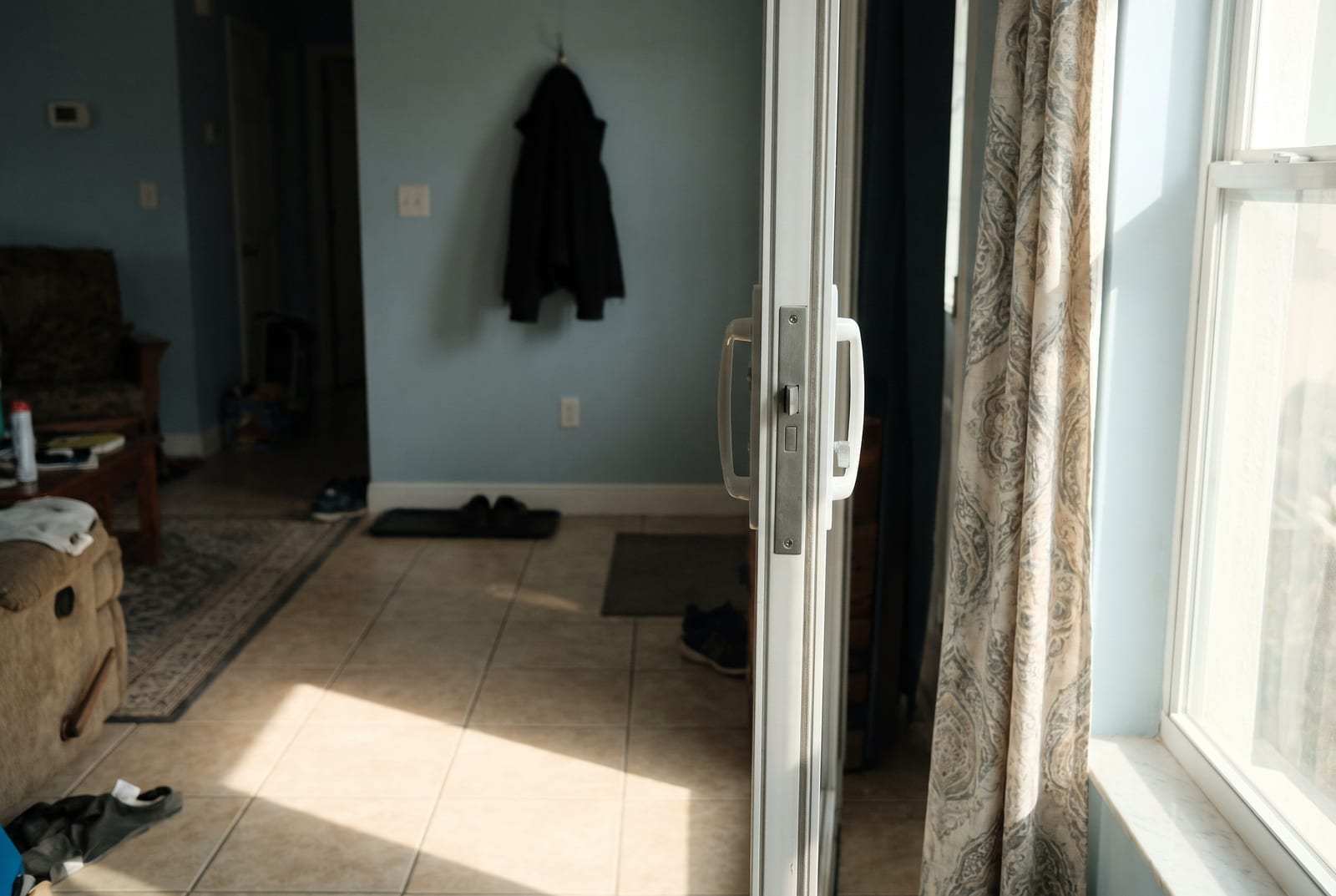
- Patio door: the slider latches every time and doesn’t rattle or lift in its track when you tug on it.
- Garage entry: the door from the garage into the house locks like a front door, deadbolt and all.
- Spare keys: you know where every copy is and who has one.
Anything that fails the walk is worth a call. A lock that sticks at one time of year and turns easily at another is telling you something, and a little seasonal care keeps it from turning into a lockout.
- The seller handed over every key. Should I still rekey?
Yes. Nobody can say how many copies were made over the years for a neighbor, a dog walker or a contractor. A rekey changes the pins inside the locks you already have, so only the keys in your hand will turn them. Count every door while you’re at it: the front, the back, the garage entry and a slider with a keyed lock.
- Where’s a safe place to keep a spare key?
With someone you trust who lives close by. Under the mat, in a flowerpot or on the ledge over the door are the first places anyone looks. A small lockbox with a code is another choice, and a keypad deadbolt lets the family in without a key at all.
Bungalows, Block Homes and Condos
The 1920s bungalows in Thornton Park and Lake Eola Heights often still have their original wood doors. They’re worth keeping, but a door that has settled for a century rarely lines up the way a new lock expects. Fitting a new deadbolt there can mean moving the strike, filling old holes or working around an old mortise lock, and it takes care to leave the door as strong as it was.
Concrete-block homes usually open onto the patio through a sliding glass door, and that slider is often the easiest door in the house to get past. Its latch is a small hook, and an older slider can sometimes be lifted off its track from outside. A second lock on the frame, or a bar laid in the track, closes that gap.
Condos and apartments bring a third party into it. The building’s entry doors, and sometimes the unit doors, belong to an association or a manager and may run on a master key system. Check with them before a lock changes: a unit lock taken off the master can leave the building with no way in during an emergency.
Renters Start With the Lease
Renting changes who gets a say. The lock on your door is usually the landlord’s hardware, and the landlord needs a way in for repairs and emergencies. So before you call about a lock in a rental, find the part of your lease about locks and keys.
- Do I need my landlord’s OK to rekey or change a lock?
Usually, yes. Most Florida leases require the landlord’s OK before a renter changes or rekeys a lock, along with a key for the landlord afterward. Leases differ, so check yours, and take this as general information, not legal advice.
- I rent. Can I put in a smart lock?
Ask your landlord first, the same as for any other lock change. If the answer is yes, a smart lock can usually go on the door you have. Keep the original lock in a drawer so it can go back on when you move out, and plan on giving the landlord a key or a code.
If you’re the landlord, the turnover between tenants is the moment to act. A rekey means a key the last renter forgot to return, or had copied, no longer opens anything. With more than a few units, key records and master keys come into it, and that’s closer to commercial lock work.
Whatever your front door is up to, we’d be glad to come have a look.