
How We Work on Your Locks
Most lock jobs run through the same four stages: a look at the door, a choice of hardware, the work and the testing. Some doors also come with rules about how they must open, and those rules shape the job before it starts.
A Lock Job, Step by Step
Whether it’s one front door or a row of office locks, the job usually goes like this.
-
A Look at the Door
It starts with the door, not the lock. A good locksmith checks how the door hangs in its frame, whether the bolt lines up with the strike, what hardware is on it now and what the key is doing. A door that has sagged or swelled can make a sound lock act like a bad one, and that changes the fix.
-
Weighing the Choices
Most problems have more than one answer: rekey the lock you have, repair it, or put in something new. If it’s new, the way the door was drilled narrows the field, and so does who uses it. Seeing the lock types side by side helps when a keypad and a keyed deadbolt both sound right.
-
Doing the Work
A rekey means taking the cylinder apart, setting new pins and cutting keys to match. A new lock can mean drilling the door or adapting the old holes, setting the strike plate deeper and driving longer screws into the frame. On an older wood door, much of the care goes into fitting new hardware to wood that has moved over the years.
-
Testing Before It’s Finished
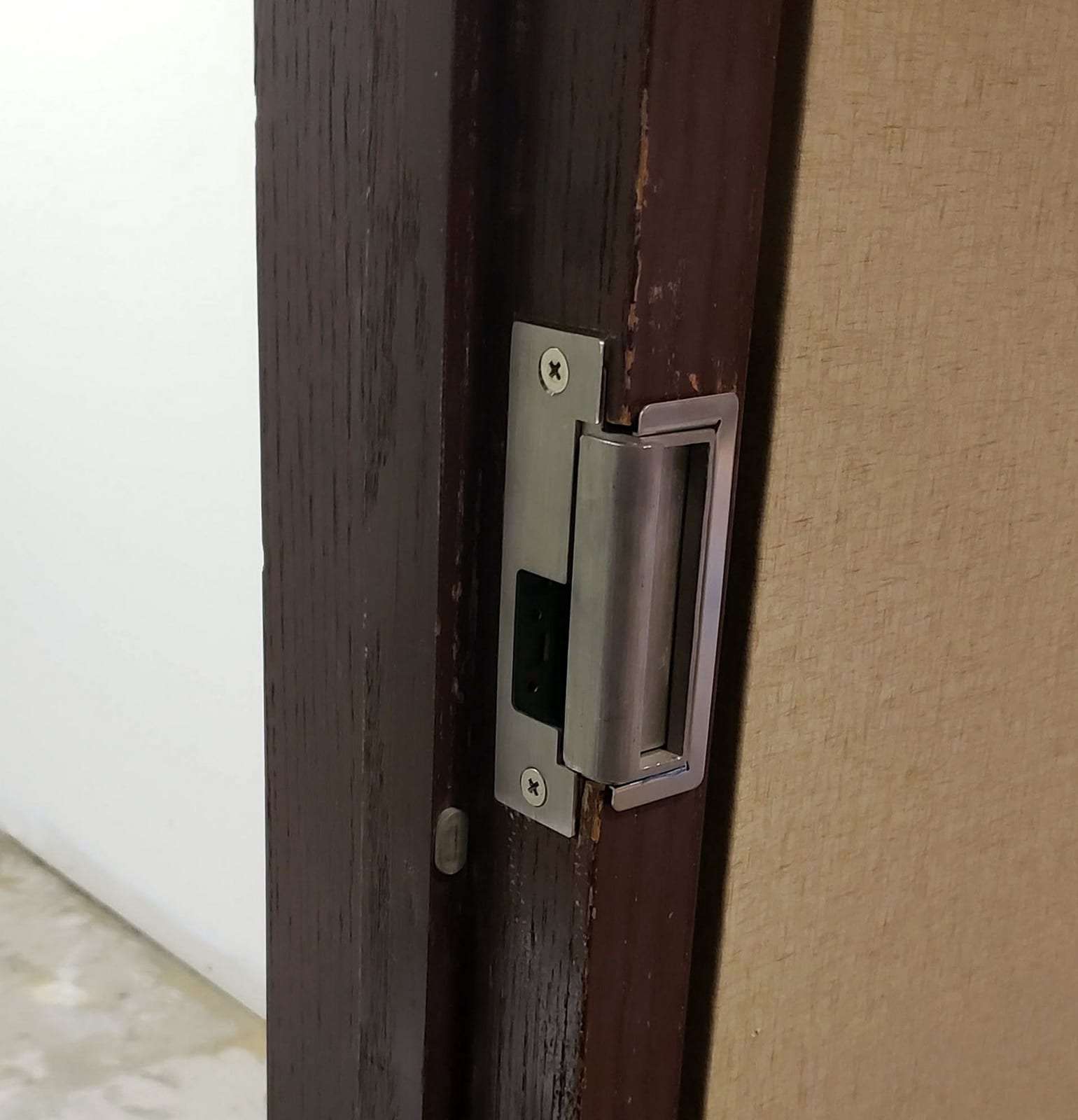
The difference between careful lock work and sloppy work mostly shows up after the new lock is in. We check that the bolt throws all the way into the strike plate, and that the door latches without anyone lifting it or leaning on it.
Every key we cut goes into the lock several times, and each copy is checked against the original so it isn’t even slightly off. After a rekey, we try each new key and make sure the old ones won’t turn the cylinder anymore. Then the lock gets worked from both sides of the door, and only then do we call the job finished.
Doors That Come With Rules
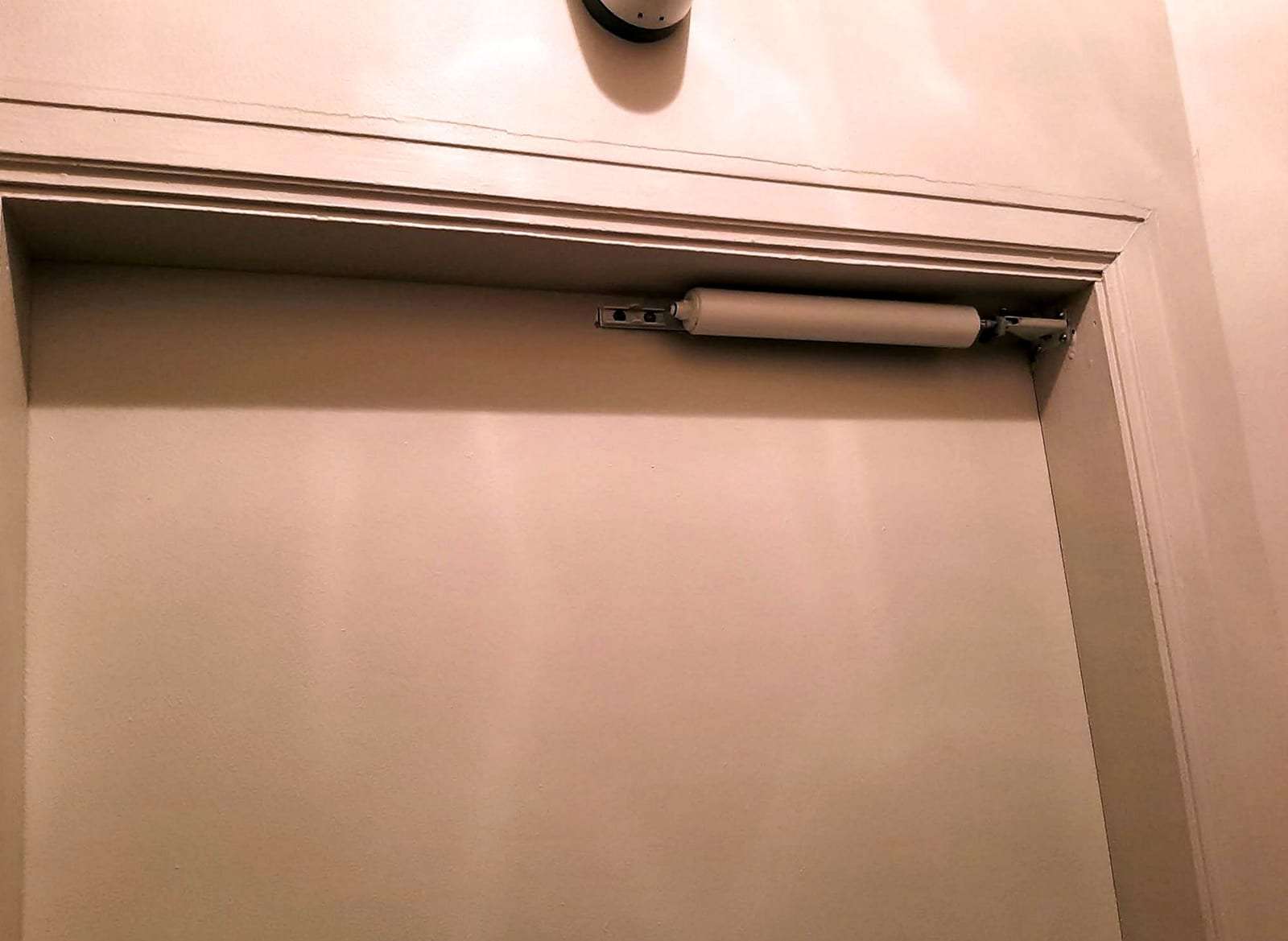
Some doors are more than a way in and out. An exit door has to let people out in a hurry. A fire door has to close and latch on its own, which is the job of the closer at the top of the frame. A door open to the public has to work for every hand. Those rules decide which locks a door can take.
In downtown condo and apartment buildings, the association or the manager usually controls the entry hardware and the master keys, so a lock change on a unit door may need their okay first.
| Rule area | What it means in plain terms | Where it applies |
|---|---|---|
| Emergency exit and egress doors | Anyone inside must be able to get out in one easy motion, with no key, tool or know-how needed | Exit doors in shops, offices and apartment buildings, and a home’s main way out |
| Fire-rated doors | It has to close and latch by itself every time, and only hardware rated for fire doors goes on it | Stairwells, corridors and the unit entry doors of many apartment and condo buildings |
| Accessible hardware | Handles and locks should work with one hand, without tight gripping, pinching or twisting, which is why levers and push bars replace round knobs | Shops, offices and other places open to the public, and the shared areas of many apartment buildings |
| Master key restrictions | A master key opens many locks, so the key system limits who holds one and who may order copies; restricted keys can’t be copied at a hardware counter | Apartment and condo buildings, office suites and shops with several doors |
| Tenant and landlord access | The lease usually says whether a tenant may change or add a lock and whether the landlord keeps a key; a landlord can’t change the locks to force a tenant out | Rented houses, apartments and condos |
This is general information, not legal advice; your building’s rules and your lease decide the details.
Renters, Landlords and Exit Doors
- Why do some doors have to open without a key?
So nobody gets trapped. In a fire, people may have to get out in the dark or through smoke, with no time to hunt for a key. That’s why exit doors in shops and apartment buildings carry levers or push bars, and why a home’s main door shouldn’t need a key to open from inside.
- Does a landlord keep a key to a rental?
Usually. Most leases let the landlord in for repairs and emergencies, so a rekey or a new lock in a rental normally ends with a key for the landlord too. The lease spells out the details.
- Should a landlord rekey between tenants?
It’s a good habit, since nobody knows how many copies the last tenant made. A rekey at each turnover makes every old key useless. With several units, a master key system lets one key open every door while each tenant’s key opens only their own.
- Can a fire door get a different lock?
Only hardware rated for that door, and usually not an add-on lock drilled through it, since new holes can undo the door’s rating. In apartment and office buildings, the manager usually signs off on any change to a fire door first.
Clearing the Way for the Work
A few minutes of getting ready makes any lock job go smoothly.
- Clear the door area. Move mats, plants, wreaths and anything hung on the door, so both sides are easy to reach.
- Gather your keys. Round up every key you have for that lock, including spares in drawers, in cars and with neighbors.
- Note any problems. A key that sticks, a bolt that rubs, a door you have to pull or lift to lock, or a lock that only acts up in wet weather.
- Settle pets and little ones. An open door and a lock in pieces are no place for a curious dog or a toddler.
Clear the doorway, find your keys, and we’ll take it from there.